

If you are searching for mold remediation services in New Orleans, you are likely dealing with moisture, humidity, or past water damage. In a city like New Orleans, LA, where heavy rain, flooding, and high humidity are part of everyday life, mold growth is not uncommon. What matters is how quickly you respond and who you trust to guide you through the process.
At Rytech Restoration of Greater New Orleans, we work with homeowners, property managers, and insurance professionals across Orleans County and Jefferson County every day. We see firsthand how mold starts, how it spreads, and how proper remediation restores both property and peace of mind.
Understanding Mold Problems in New Orleans Homes
Mold is a natural organism that thrives in damp environments. It spreads by releasing tiny spores into the air, which settle on surfaces and grow when moisture is present. In homes across New Orleans, especially older properties in neighborhoods like Gentilly or Carrollton, materials like wood framing and drywall can hold moisture longer than expected.
Mold becomes a problem when it begins affecting indoor air quality and building materials. It is not just about what you can see. Mold can grow behind walls, under flooring, and inside insulation. This often happens after unnoticed water damage, which aligns with IICRC guidance that moisture intrusion is the primary driver of microbial growth in buildings .
What Causes Mold Growth in Louisiana Homes
In Orleans County, mold often starts with water. That water may come from a slow pipe leak, a roof issue after a storm, or flooding during hurricane season.
High humidity also plays a major role. In areas like Metairie, Kenner, and Marrero, indoor humidity levels can stay elevated for long periods. When moisture lingers, materials absorb it, creating the perfect environment for mold growth.
A small issue, like a leaking AC unit, can turn into a larger contamination problem if it goes unchecked. The longer materials stay wet, the higher the chance for microbial growth, which is why quick drying and proper mitigation matter so much .
Health Concerns Linked to Mold Exposure
Mold exposure affects people differently. Some notice mild symptoms like sneezing or itchy eyes. Others experience more serious respiratory issues.
Children, older adults, and individuals with compromised immune systems often feel the effects more quickly. In our experience working in New Orleans homes, families often first notice something is wrong when allergy-like symptoms do not go away, even when they are indoors.
This connection between indoor air quality and mold contamination is one of the main reasons professional remediation focuses not just on visible growth, but also on airborne particles and settled spores.
Signs That Mold May Be Present
Mold does not always show itself clearly. Sometimes it appears as dark spots or staining on walls or ceilings. Other times, it stays hidden.
A strong musty odor is often the first clue. In homes across Avondale or Harvey, we frequently find mold behind cabinets or inside wall cavities where moisture has been trapped.
Warped materials, peeling paint, or persistent dampness are also warning signs. If you notice these, the next step is a professional inspection to confirm what is happening behind the scenes.
Why Professional Mold Remediation Matters

Many homeowners try to clean mold themselves. While small surface areas may seem manageable, improper cleaning can spread spores and make the situation worse.
Professional remediation follows structured procedures outlined in industry standards like ANSI/IICRC S520. These guidelines emphasize containment, proper removal, and protecting unaffected areas during the process .
At Rytech Restoration of Greater New Orleans, we use controlled containment, advanced air filtration, and detailed documentation on every project. This approach helps reduce cross-contamination and keeps the process safe for occupants and workers.
How Mold Inspection and Testing Works
Every project starts with a detailed inspection. We look beyond visible areas and use moisture meters and thermal imaging to identify hidden issues.
In some cases, air or surface sampling helps define the extent of contamination. This step allows us to develop a clear remediation plan based on real data, not guesswork.
The goal is simple: understand where the mold is, how far it has spread, and what conditions allowed it to grow.
What Happens During the Mold Remediation Process
Once the scope is defined, remediation begins with containment. This isolates the affected area and prevents spores from spreading to clean parts of the property.
Air filtration devices capture airborne particles while technicians remove materials that cannot be restored. Surfaces that can be saved are carefully cleaned using specialized methods.
The process follows a logical sequence grounded in industry best practices. Each step builds on the last to restore safe indoor conditions while minimizing unnecessary demolition.
What Timeline Should You Expect
Every mold situation is different. A small contained area may take a few days. Larger projects involving multiple rooms or commercial spaces can take longer.
Homeowners in New Orleans often ask what to expect. You can expect clear communication, daily updates, and documentation throughout the process. Our team tracks moisture levels and progress to ensure the job is moving toward completion.
Post-Remediation Verification and Air Quality
Once remediation is complete, verification confirms the success of the process. This may involve visual inspections, moisture checks, and third-party indoor air quality testing.
The ANSI/IICRC S520 standard highlights the importance of post-remediation evaluation to confirm that contamination has been effectively addressed .
This final step provides confidence that the environment has been properly restored.
Understanding Mold Remediation Costs and Insurance
Costs vary based on the size of the affected area, the type of materials involved, and the level of contamination.
In many cases, mold remediation is connected to a covered water damage event, such as a burst pipe or sudden leak. That is where working with a team experienced in documentation and communication helps.
Rytech Restoration works closely with insurance carriers and adjusters, providing photos, moisture readings, and detailed reports to support the claims process.
DIY vs Professional Mold Remediation
Small, isolated surface mold may be manageable with proper precautions. However, once mold spreads beyond a limited area or involves hidden spaces, professional remediation becomes the safer option.
Improper handling can disturb spores and increase exposure. Certified professionals follow containment and removal procedures designed to reduce that risk.
Preventing Mold From Coming Back
Prevention always comes back to moisture control. Regular inspections, proper ventilation, and maintaining indoor humidity levels make a major difference.
In New Orleans homes, dehumidifiers and well-maintained HVAC systems help reduce excess moisture. Addressing leaks quickly prevents conditions that allow mold to return.
Building Smarter With Mold-Resistant Materials
When upgrading or renovating, materials like mold-resistant drywall and coatings can add an extra layer of protection.
In moisture-prone areas such as bathrooms or crawlspaces, these upgrades help reduce long-term risk. Property managers across Jefferson County often invest in these improvements to protect their assets.
Regulations and Industry Standards That Guide the Process
Professional mold remediation follows established guidelines. The ANSI/IICRC S520 standard provides a framework for safe and effective remediation, focusing on contamination conditions, containment, and proper work practices .
These standards ensure consistency and help protect both occupants and restoration teams.
Choosing the Right Mold Remediation Partner in New Orleans
Not all restoration companies approach mold the same way. Look for IICRC-certified technicians, clear communication, and a documented process.
At Rytech Restoration of Greater New Orleans, we combine over 30 years of national experience with local knowledge of Louisiana building materials and climate conditions. Our teams respond quickly, use advanced drying and detection equipment, and focus on restoring materials whenever possible.
"Homes in New Orleans are built to handle a lot, but the mix of humidity, older construction, and storm exposure creates unique challenges. We’ve worked in everything from historic Uptown homes to newer builds in Metairie, and no two projects are the same. Our job is to understand how moisture behaves in each structure and stop mold at the source while protecting the rest of the property."
Holden LeBlanc, Owner, Rytech Restoration of Greater New Orleans
What Homeowners Should Do Before and After Remediation
Before remediation begins, clearing access to affected areas helps the process move faster. During the project, limiting traffic in contained areas keeps everyone safe.
After completion, ongoing monitoring and maintenance help protect your property. Staying ahead of moisture issues keeps your indoor environment stable.
Local Help You Can Trust When Mold Becomes a Problem
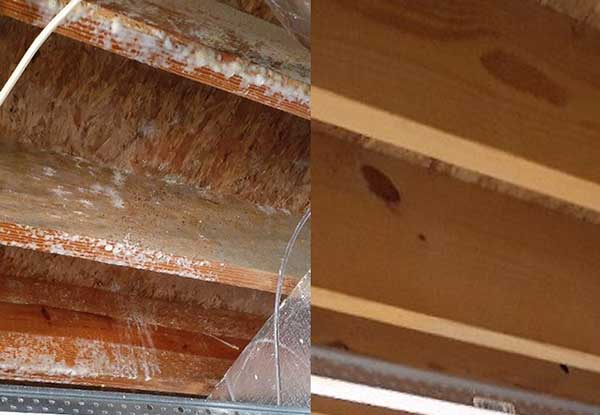
When mold shows up, quick action changes the outcome. Whether you are in New Orleans, Metairie, Kenner, Gretna, or anywhere across Orleans County or Jefferson County, having the right team makes all the difference.
If you need professional help, explore our mold remediation services in New Orleans to learn more about how we can support your recovery.
FAQs About The Home Mold Remediation Process
If you're seeking a reliable mold remediation service in New Orleans, LA, you likely have inquiries about the process, the variety of services provided, and navigating insurance claims. In this setting, we tackle common queries, providing clarity on what to expect when you choose Rytech Restoration of Greater New Orleans for your mold remediation needs.


