
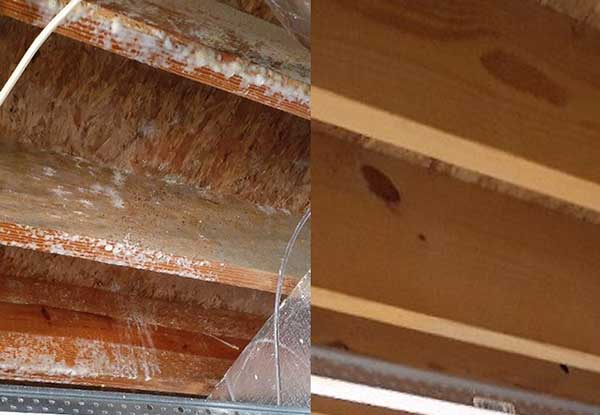
Mold is part of everyday life in New Orleans. With our humid Gulf Coast climate and frequent rain, it doesn’t take long for moisture to find its way into walls, floors, or HVAC systems—and when it does, mold can follow. Whether you own a home in Gentilly, manage an apartment complex in Metairie, or oversee a commercial building in Kenner, understanding the professional mold remediation process in New Orleans helps you protect your property and the people in it.
At Rytech Restoration of Greater New Orleans, we specialize in helping property owners get back to normal faster by using science-based remediation methods that meet ANSI/IICRC S520 professional standards. Here’s what you should know.
What Causes Mold Growth in New Orleans Properties
In our subtropical Louisiana environment, mold spores are everywhere—it’s excess moisture that gives them a place to grow. Common moisture sources include roof leaks after heavy storms, plumbing failures, or even condensation from poor ventilation. When materials stay damp for more than 24 to 48 hours, mold can begin to colonize.
Early detection prevents extensive contamination. Routine inspections and moisture mapping, especially after floods or HVAC issues, can make all the difference in avoiding larger remediation costs.
The Health Impact of Mold Exposure
Mold exposure can affect everyone differently. Some people experience mild allergic reactions—like sneezing or headaches—while others develop more severe respiratory issues, particularly those with asthma, allergies, or compromised immune systems.
Keeping indoor environments clean and dry reduces the number of airborne spores and helps safeguard your health. That’s why certified mold remediation, done according to IICRC S520 guidelines, prioritizes containment, filtration, and cleaning rather than just removal.
How to Recognize Mold Problems
In homes and businesses throughout Orleans and Jefferson Counties, mold often hides behind walls or under flooring. Warning signs include:
- A persistent musty odor
- Visible dark or fuzzy growth on walls or ceilings
- Discoloration around air vents
- Worsening allergy symptoms indoors
If you notice any of these indicators, it’s time to call a licensed mold inspector or restoration professional to assess the situation.
Mold Inspection and Testing
A professional inspection includes more than just looking for visible growth. Certified technicians use moisture meters, hygrometers, and thermal imaging cameras to locate hidden moisture behind drywall or flooring.
In some cases, air sampling or surface testing may be performed by an indoor environmental professional (IEP) to determine the type and concentration of spores. These results help develop a precise remediation plan that meets safety and industry standards.
The Professional Mold Remediation Process
At Rytech Restoration of Greater New Orleans, every mold remediation project follows a step-by-step process aligned with ANSI/IICRC S520 and S500 standards:
- Inspection and Assessment – Identify contamination sources and determine the remediation scope.
- Containment – Use barriers and negative air pressure to prevent cross-contamination.
- Air Filtration – Deploy HEPA-filtered air scrubbers to capture airborne spores.
- Mold Removal – Safely remove contaminated materials that cannot be restored.
- Cleaning and Sanitization – Clean and disinfect all affected surfaces using professional-grade products.
- Drying and Dehumidification – Ensure the structure is completely dry to prevent recurrence.
- Post-Remediation Verification – Confirm that conditions are safe and clean before the project closes.
This process ensures the property is returned to a Condition 1 environment—free of excess spores and moisture per IICRC definitions.
Containment and Air Filtration
Containment is one of the most important steps in the remediation process. Physical barriers, like plastic sheeting and zip walls, isolate affected areas, while negative air pressure systems ensure spores don’t spread to clean zones. HEPA air scrubbers continuously capture airborne particles during the process, ensuring a safer environment for occupants and technicians.
Mold Removal and Cleaning Equipment

Professionals use tools like HEPA vacuums, wire brushes, and antimicrobial cleaning agents designed specifically for remediation. When removal of damaged materials is necessary, Rytech’s team disposes of them safely, in compliance with Louisiana’s environmental regulations.
Drying and Dehumidification
Proper drying is vital. According to the IICRC S500 Standard for Professional Water Damage Restoration, drying must reach equilibrium moisture content for the material being treated. Rytech technicians monitor relative humidity, temperature, and vapor pressure throughout the drying cycle using specialized meters and dehumidifiers to prevent mold from reestablishing itself.
Preventing Future Mold Growth
Prevention starts with addressing the source of moisture—repairing leaks, improving ventilation, and controlling indoor humidity. In coastal Louisiana, we recommend maintaining indoor humidity between 30% and 50%. Regular inspections and prompt drying after any water event will greatly reduce the risk of recurrence.
Why Hire Certified Mold Remediation Experts
Choosing an IICRC-certified remediation company ensures that your project follows industry-recognized standards for safety, effectiveness, and documentation. Certified specialists like Rytech Restoration provide:
- Advanced detection and drying technology
- Proper containment and filtration techniques
- Compliance with local and federal regulations
- Documentation for insurance and post-clearance verification
“In Louisiana, where humidity is part of daily life, knowing how different building materials react to moisture is key. Our team has decades of experience working with local construction types—shotgun homes, raised foundations, and commercial spaces—so we know how to remove moisture efficiently without unnecessary demolition.”
Holden LeBlanc, Owner, Rytech Restoration of Greater New Orleans
Insurance Coverage for Mold Damage
Homeowners’ and commercial insurance policies sometimes cover mold remediation when the mold results from a sudden and accidental water event, such as a burst pipe or storm damage. Rytech assists property owners by documenting moisture sources, remediation actions, and photos for insurance adjusters, helping streamline the claims process.
Post-Remediation Verification
After remediation, a post-remediation verification (PRV) or clearance test confirms the environment has been successfully restored. This step may include air and surface sampling by an independent professional to ensure spore counts meet acceptable indoor levels.
DIY vs. Professional Mold Remediation
While small, localized mold patches (under 10 square feet) can sometimes be handled safely by property owners, larger or recurring problems demand professional remediation. Without proper containment, DIY cleaning can worsen contamination by spreading spores throughout the building.
Legal and Regulatory Compliance in Louisiana
Mold remediation in Louisiana must comply with state licensing requirements and adhere to ANSI/IICRC S520 standards. Working with a certified company ensures that your project meets local environmental regulations, OSHA safety protocols, and insurance documentation expectations.
Get Inspected to Stay Protected
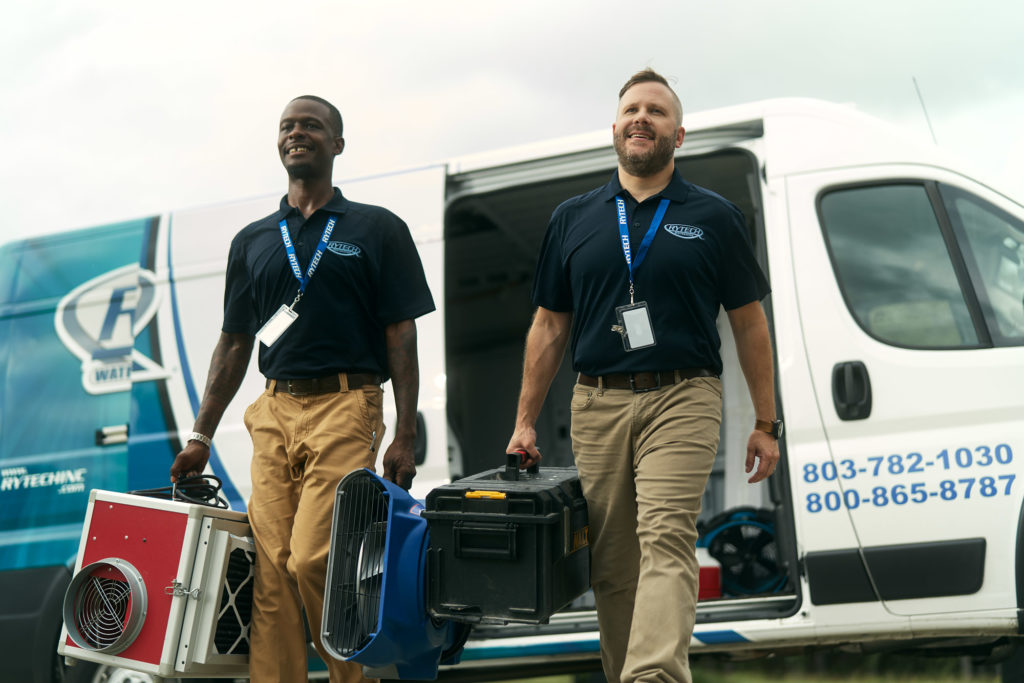
Whether you’re a homeowner in Marrero, a property manager in Metairie, or an insurance adjuster helping a client in Kenner, Rytech Restoration of Greater New Orleans provides reliable, 24/7 professional mold remediation service throughout Orleans and Jefferson Counties.
FAQs About The Home Mold Remediation Process
If you're seeking a reliable mold remediation service in New Orleans, LA, you likely have inquiries about the process, the variety of services provided, and navigating insurance claims. In this setting, we tackle common queries, providing clarity on what to expect when you choose Rytech Restoration of Greater New Orleans for your mold remediation needs.


