
Water damage is a reality many property owners in Southeast Louisiana know all too well. A summer thunderstorm can overwhelm drainage systems. A hurricane can drive water into homes and businesses. An aging plumbing system can fail without warning. In a city surrounded by water and influenced by a subtropical climate, moisture intrusion is not a matter of if for many properties, but when.
For homeowners in New Orleans, commercial property owners in Metairie, property managers in Kenner, and insurance professionals throughout Orleans Parish and Jefferson Parish, understanding how emergency water damage restoration works can help reduce stress and improve decision-making when an unexpected loss occurs.
Whether the damage originates from a burst pipe, appliance failure, sewer backup, roof leak, or storm event, fast action helps reduce the spread of moisture, preserve building materials, and support a more efficient recovery process.
Understanding Emergency Water Damage in New Orleans
Emergency water damage occurs when water enters a structure unexpectedly and begins affecting building materials, contents, or structural systems. Unlike a routine maintenance issue that can be scheduled for future repair, emergency water damage requires immediate attention because moisture spreads quickly through porous materials.
Throughout New Orleans, Gretna, Harvey, Marrero, Metairie, Kenner, Avondale, Gentilly, and Carrollton, water damage often results from plumbing failures, overflowing fixtures, roof leaks, appliance malfunctions, sewer backups, and severe weather events.
The local environment creates unique restoration challenges. High humidity, heavy rainfall, tropical storms, hurricanes, and below-sea-level conditions in portions of the region can all contribute to water intrusion concerns. Many homes and commercial buildings also contain construction materials that readily absorb moisture when exposed to water.
Whether the property is a historic French Quarter building, a family home in Gentilly, or a commercial facility in Jefferson Parish, the objective remains the same: identify the source, remove the water, dry the structure, and restore normal conditions as efficiently as possible.
Common Causes of Emergency Water Damage
Water damage can develop suddenly or gradually.
Sudden losses often involve burst supply lines, failed water heaters, overflowing appliances, plumbing malfunctions, and storm-related flooding. These events can release large amounts of water within minutes and create immediate damage throughout a structure.
Gradual water damage frequently develops unnoticed. A small leak behind a wall may continue for weeks before becoming visible. Roof leaks can introduce moisture over multiple storm events. Foundation movement, deteriorated plumbing connections, and HVAC condensation issues may also create hidden moisture conditions.
Water damage is also common after firefighting efforts. While water used during fire suppression protects life and property, affected materials typically require immediate extraction and drying once the emergency has been controlled.
Regardless of the source, identifying and correcting the cause of water intrusion remains an important part of the restoration process. Moisture removal alone does not prevent future losses if the original source remains active.
Signs That Require Immediate Attention
Some water losses are impossible to miss. Standing water across a floor, water pouring from a ceiling, or a flooded room clearly signals the need for immediate action.
Many losses begin more subtly.
Warping wood flooring, peeling paint, stained ceilings, soft drywall, and persistent musty odors often indicate hidden moisture. Some property owners first become aware of a problem after receiving an unusually high water bill caused by a concealed plumbing leak.
New Orleans' humid climate can sometimes mask developing moisture issues because elevated humidity levels already exist throughout much of the year. That makes regular inspections and prompt investigation of unusual conditions especially valuable.
Mold growth can begin developing within 24 to 48 hours under favorable moisture conditions. Early identification and response often help reduce the overall scope of restoration.
Understanding Water Damage Categories and Classes
Professional restoration contractors use industry standards established within the ANSI/IICRC S500 Standard for Professional Water Damage Restoration to classify water losses and determine appropriate drying procedures.
Water categories describe contamination levels associated with the water source.
Category 1 water originates from a sanitary source such as a supply line or sink overflow and presents the lowest contamination risk.
Category 2 water contains contaminants that may cause discomfort or illness if exposure occurs. Common examples include washing machine overflows and dishwasher discharge.
Category 3 water contains significant contamination and may include sewage, floodwater, or other hazardous substances requiring specialized handling and cleaning procedures.
Classes of water damage describe how extensively materials have absorbed moisture. Class 1 losses involve minimal absorption, while Class 4 losses affect deeply saturated materials such as hardwood flooring, plaster, brick, and concrete.
These classifications help restoration professionals determine equipment requirements, drying strategies, and project timelines based on measurable conditions.
Why Immediate Response Matters
Water continues moving long after the initial event occurs.
Moisture migrates through flooring systems, wall cavities, insulation, and structural components. The longer water remains in place, the greater the potential for material deterioration and secondary moisture-related concerns.
Rapid mitigation helps reduce structural damage, improve the likelihood of restoring affected materials, support healthier indoor environmental conditions, and limit disruption for occupants. ANSI/IICRC drying principles emphasize prompt action because moisture becomes more difficult to remove as time passes.
Insurance policies also generally expect property owners to take reasonable steps to prevent additional damage following a covered loss. Quick response helps support that objective while creating valuable documentation for all stakeholders.
What Happens During the Emergency Water Damage Restoration Process?

Most property owners have never experienced a major water loss and often wonder what happens after making the first call.
The restoration process begins with a detailed inspection and moisture assessment. Technicians identify affected materials, determine the category and class of water damage, locate hidden moisture, and establish a drying plan tailored to the property.
Water extraction follows immediately. Specialized extraction equipment removes standing water before it can continue spreading through the structure.
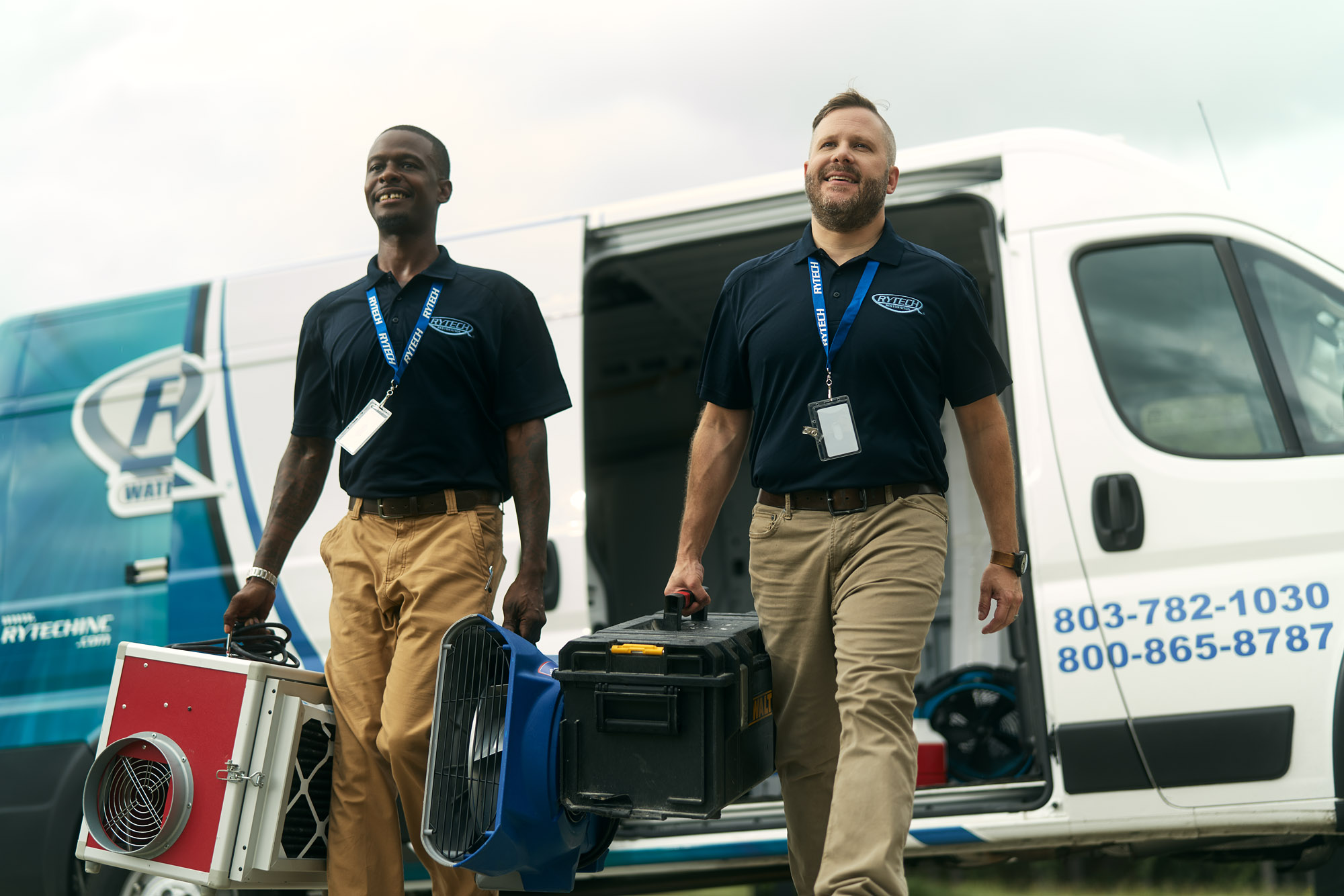
Once extraction is complete, drying and dehumidification equipment is installed. Air movers create airflow across wet surfaces while commercial dehumidifiers remove moisture from the air.
Throughout the project, technicians monitor moisture readings using professional-grade instruments. Adjustments are made as drying progresses to ensure affected materials reach appropriate moisture levels.
Cleaning, sanitization, documentation, and communication continue throughout the process. Detailed records, moisture logs, photographs, and project documentation help property owners, adjusters, insurance carriers, and other stakeholders remain informed as restoration progresses.
Professional Water Extraction and Drying Techniques
Water extraction is only the first step in a successful restoration project. Many of the most challenging moisture issues occur where water cannot be seen. Beneath flooring systems, behind drywall, inside insulation, and within structural framing, moisture can remain trapped long after standing water has been removed.
Professional restoration teams use high-capacity extraction equipment capable of removing large volumes of water quickly. Once visible water is removed, industrial-grade air movers and dehumidifiers are installed to create controlled drying conditions. These systems work together to accelerate evaporation and remove moisture from both building materials and the surrounding air.
Advanced moisture detection equipment plays a critical role throughout the process. Moisture meters provide accurate readings inside materials, while thermal imaging cameras help identify hidden moisture patterns behind walls and ceilings. These tools allow drying strategies to be based on measurable conditions rather than assumptions.
In New Orleans, where outdoor humidity often remains high for much of the year, professional drying techniques become especially valuable because natural evaporation alone frequently cannot remove moisture fast enough.
Equipment Used During Water Damage Restoration
Modern restoration relies on specialized technology designed specifically for water mitigation and structural drying.
Commercial air movers create airflow across wet materials, helping moisture evaporate more efficiently. Refrigerant and desiccant dehumidifiers remove moisture from the air and maintain drying conditions throughout the structure.
Moisture mapping tools help document affected areas and track progress as materials dry. Hygrometers measure temperature and humidity conditions, while moisture meters verify the condition of structural materials throughout the project.
When mold contamination becomes a concern, HEPA-filtered equipment may be incorporated into containment and remediation activities. HEPA filtration helps reduce airborne particles and supports cleaner indoor environments during restoration procedures.
These technologies help restoration professionals preserve materials whenever possible while minimizing unnecessary demolition.
Mold Prevention and Remediation After Water Damage
Moisture and mold are closely connected. When building materials remain wet, mold can begin developing within 24 to 48 hours under favorable conditions.
New Orleans presents unique challenges because of its warm climate, frequent rainfall, and consistently elevated humidity levels. Homes, commercial facilities, hospitality properties, and multifamily buildings throughout Orleans Parish and Jefferson Parish often require careful moisture management to prevent secondary microbial concerns.
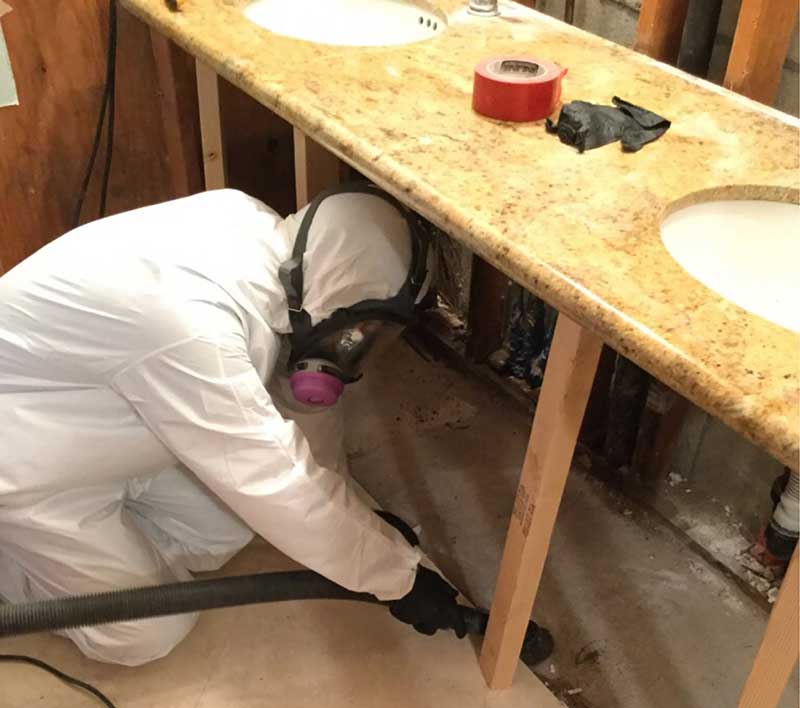
Professional mold remediation focuses on identifying contamination, establishing containment, removing affected materials when necessary, and reducing harmful mold spores within the indoor environment. ANSI/IICRC S520 guidance emphasizes source control, containment, and remediation procedures that help protect occupants while preventing cross-contamination of unaffected areas.
Addressing water damage quickly remains one of the most effective ways to reduce the likelihood of mold-related complications developing later.
Health and Safety Considerations During Water Damage Emergencies
Water damage can create safety concerns that extend beyond property damage.
Electrical hazards frequently develop when water reaches outlets, wiring systems, or electrical equipment. Structural materials weakened by prolonged moisture exposure may create stability concerns. Floodwater and sewage backups may introduce contaminants that require specialized cleaning and handling procedures.
Category 3 water losses involving floodwater or sewage require particular attention because of potential exposure risks. Restoration professionals utilize personal protective equipment appropriate to site conditions and follow industry-established safety procedures throughout the mitigation process.
Healthcare facilities, schools, multifamily properties, hotels, and commercial buildings often require additional planning to maintain occupant safety while restoration activities are underway.
Navigating Insurance Claims and Documentation
Most property owners do not regularly navigate water damage insurance claims. As a result, the process often feels unfamiliar during an already stressful situation.
Thorough documentation creates clarity. Photographs, moisture readings, drying logs, equipment records, and detailed project documentation help establish the extent of damage and track restoration progress.
Insurance adjusters, carriers, property owners, and restoration professionals all benefit from accurate documentation. Detailed records help support informed decision-making while improving communication among stakeholders throughout the project.
Rytech Restoration of Greater New Orleans understands the value of transparency and clear communication. Comprehensive documentation helps property owners feel informed and confident while moving through the recovery process.
DIY Cleanup Versus Professional Restoration
Property owners frequently ask whether they can handle water damage on their own.
The answer often depends on the extent of the loss. Small spills and isolated incidents may be manageable without specialized intervention. Significant water losses typically involve hidden moisture that cannot be identified without professional equipment.
Household fans and portable dehumidifiers may dry visible surfaces while moisture remains trapped beneath flooring systems or inside wall cavities. Hidden moisture frequently creates additional challenges weeks later.
Professional restoration teams combine industry training, moisture detection technology, drying science, and specialized equipment to evaluate conditions accurately and monitor progress throughout the drying process.
The difference often becomes apparent long after visible water has disappeared.
Understanding Water Damage Restoration Costs
Every water damage project is unique. The size of the affected area, category of water, extent of saturation, accessibility, drying requirements, and presence of mold contamination all influence project scope.
A small Category 1 water loss affecting a single room requires different resources than a large flood event impacting multiple floors of a commercial property. Likewise, a historic New Orleans property may present different drying considerations than a newer structure in Metairie or Kenner.
Insurance coverage may help offset restoration costs depending on policy language and the cause of loss. Accurate documentation helps support the claim evaluation process and provides stakeholders with a clear understanding of project conditions.
Choosing the Right Restoration Partner in Greater New Orleans
When evaluating restoration providers, response capability is often one of the most important considerations.
Water damage continues spreading regardless of the time of day. Property owners benefit from selecting a company that offers 24/7 emergency response, IICRC-certified technicians, advanced moisture detection technology, detailed documentation practices, and experience working with insurance stakeholders.
Local knowledge matters as well.
Restoration professionals familiar with New Orleans construction styles, historic buildings, flood-prone areas, elevated homes, hospitality properties, and Gulf Coast weather patterns often recognize challenges unique to Southeast Louisiana.
Rytech Restoration of Greater New Orleans combines local expertise with the resources of a national restoration network known for advanced drying science, rapid response, detailed project documentation, and more than 30 years of restoration experience.
A Local Perspective From Greater New Orleans Restoration Expert Holden LeBlanc
According to Holden LeBlanc, owner of Rytech Restoration of Greater New Orleans:
"After working with property owners throughout New Orleans, Metairie, Kenner, Harvey, Marrero, and surrounding communities, we've seen firsthand how quickly moisture can affect local structures. Many buildings in this region face unique challenges because of our climate, frequent storms, elevated humidity levels, and proximity to water. Historic construction materials, raised homes, commercial facilities, and multifamily properties all respond differently to moisture exposure. Early moisture detection and proper drying strategies help preserve materials and support better outcomes for property owners."
Holden LeBlanc, Owner, Rytech Restoration of Greater New Orleans
That local experience helps restoration professionals understand the challenges associated with Louisiana's climate and building practices while developing drying plans tailored to each property.
Understanding the Typical Restoration Timeline
One of the first questions many property owners ask is how long restoration will take.
Emergency response generally begins immediately after a loss is reported. Water extraction often occurs during the first visit. Drying and dehumidification commonly require two to five days depending on material types, environmental conditions, and the extent of moisture intrusion.
Larger losses involving contamination, extensive saturation, commercial facilities, or multiple affected areas may require additional time. Ongoing monitoring helps technicians adjust drying strategies as conditions improve.
Each project follows a timeline based on measurable drying progress rather than assumptions, helping ensure materials are restored appropriately before equipment is removed.
Preventing Future Water Damage in Southeast Louisiana
While no property can eliminate all risk, proactive maintenance helps reduce the likelihood of major water losses.
Routine inspections of plumbing systems, roofing materials, appliance supply lines, HVAC systems, and exterior drainage features can identify potential concerns before they become emergencies. Water leak detection systems and automatic shutoff devices provide additional protection by alerting property owners when leaks occur.
Commercial property managers often benefit from emergency response planning and pre-loss documentation programs. Knowing utility shutoff locations, maintaining emergency contacts, and documenting building conditions before a loss occurs can improve response efficiency when unexpected events arise.
Preparation helps reduce uncertainty and supports faster recovery when emergencies occur.
Emergency Water Damage Restoration Services Available Near You in New Orleans
Whether you own a historic home in New Orleans, manage a commercial property in Metairie, oversee hospitality facilities in Kenner, or support policyholders throughout Orleans Parish and Jefferson Parish, understanding emergency water damage restoration in New Orleans helps you make informed decisions when unexpected water intrusion occurs.
FAQs: Answering Your Pressing Water Damage Restoration Questions
When facing water damage, you might have numerous questions swirling in your mind. As your professional water damage restoration service provider in New Orleans, LA, we're here to provide clear, concise answers to help you navigate through this challenging time.


