
Understanding Water Damage in New Orleans and Orleans County
Water damage in New Orleans, LA feels different than in most cities. In Orleans County, water is part of daily life. High humidity, frequent storms, and low-lying areas create constant pressure on homes and commercial properties. One afternoon rainstorm in Metairie can push water into a crawlspace, while a plumbing issue in a Gentilly home may quietly spread behind walls for days.
Across Greater New Orleans, buildings range from historic homes to modern commercial spaces. Each structure reacts differently to water. At Rytech Restoration of Greater New Orleans, we guide property owners through these situations with a clear, science-based approach that fits the local environment.
Common Causes of Water Damage in Southeast Louisiana
Water damage in New Orleans often begins with a combination of natural and structural factors. Heavy rain and tropical systems can overwhelm drainage systems in areas like Kenner or Marrero. When that happens, water finds its way into basements, slab foundations, and lower levels.
Inside the property, plumbing leaks and appliance failures are just as common. A broken supply line in a Carrollton home or a failed water heater in Harvey can release large amounts of water quickly. Roof leaks also play a role, especially after high winds move through Jefferson County. Each cause influences how water spreads and how restoration should begin.
Water Damage Categories and What They Mean
Water damage is categorized based on contamination levels. Clean water starts from sources like supply lines. Gray water contains contaminants from appliances. Black water, often from flooding or sewage, introduces harmful substances.
Water does not stay in one category. According to ANSI/IICRC S500 standards, clean water will degrade as it interacts with building materials and environmental conditions. That shift increases the complexity of the situation, which is why early action produces better results.
Signs of Water Damage in New Orleans Properties
In a humid city like New Orleans, water damage often hides in plain sight. You may notice discoloration forming on ceilings after a storm passes through Avondale. In commercial spaces in Gretna, flooring may begin to feel uneven or soft underfoot.
A musty odor is one of the strongest indicators of hidden moisture. You might also see bubbling paint, warped drywall, or small dark spots on surfaces. Structural changes, such as sagging ceilings, suggest that water has been present for longer than expected. These early signs give you the chance to respond before conditions worsen.
What to Do Immediately After Water Damage
When water damage happens, your first actions set the tone for everything that follows. Stopping the source prevents additional water from entering the space. Moving contents out of affected areas helps protect valuable items.
Taking photos creates a clear record of the situation, which helps during the insurance process. From there, a professional evaluation helps identify hidden moisture and determines the next steps with accuracy.
Why Quick Response Matters in New Orleans
Water spreads quickly, especially in a humid climate like Louisiana. Moisture moves into porous materials such as wood, drywall, and insulation within hours. In a short time, conditions may support microbial growth.
Responding within the first 24 to 48 hours limits how far moisture travels. It helps preserve more of the structure and keeps the restoration process more controlled. Waiting allows water to move deeper into materials, increasing the scope of work.
How Water Extraction and Drying Work

Removing standing water is only the beginning. Moisture often remains trapped inside materials, which requires a structured drying process.
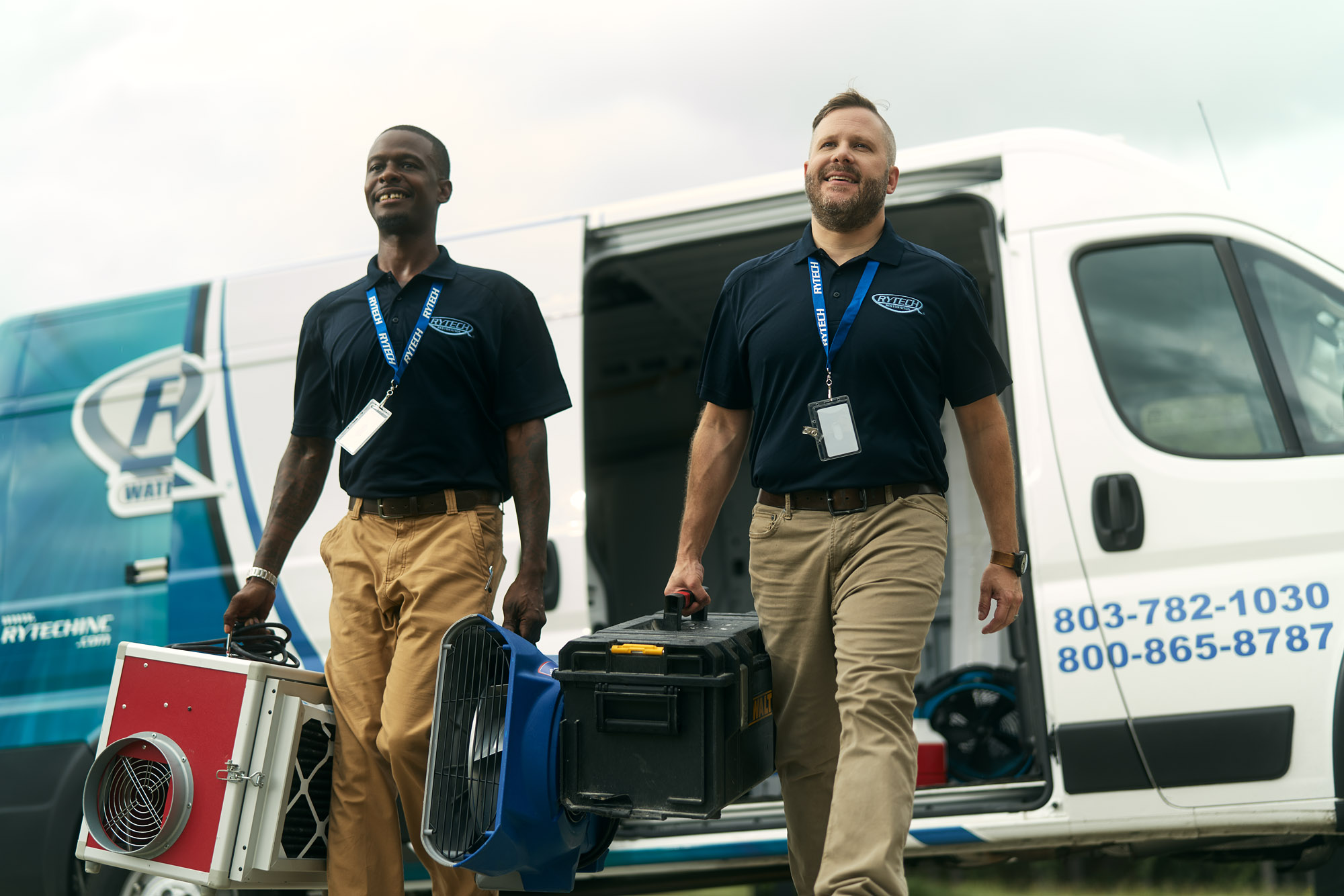
Professional extraction equipment removes visible water. Air movers and dehumidifiers create controlled conditions that pull moisture from inside walls and flooring. Monitoring tools track progress and confirm when materials reach acceptable moisture levels. This process follows IICRC guidelines to ensure consistent and measurable results.
Mold Prevention in a High-Humidity Environment
New Orleans provides ideal conditions for mold growth when moisture is present. Warm temperatures and high humidity allow spores to develop quickly.
You may notice a musty smell or visible spots forming on surfaces. These signs indicate that moisture levels remain elevated. Professional containment and removal focus on reducing mold spores in the indoor environment while protecting unaffected areas.
Equipment That Supports Effective Restoration
Modern restoration relies on advanced tools designed to manage moisture and indoor air conditions. High-powered extractors remove water efficiently. Dehumidifiers and air movers control the drying environment.
Moisture meters and thermal imaging devices detect hidden water. Air scrubbers help manage airborne particles during the process. Each tool contributes to a controlled and effective outcome.
Health and Safety During Water Damage Events
Water damage can introduce contaminants that affect indoor environments. Exposure to certain types of water or prolonged moisture can impact both occupants and materials.
Professionals follow strict safety protocols, including protective equipment and controlled work zones. These practices maintain a safe environment while the restoration process moves forward.
Navigating the Insurance Process in Louisiana
Many property owners in New Orleans feel uncertain about how to approach an insurance claim. Clear documentation helps create structure. Photos, timelines, and detailed notes provide the information needed for adjusters and carriers.
Working with experienced professionals helps organize this process. It ensures that all necessary details are communicated clearly and efficiently.
What Influences the Cost of Water Damage Restoration
Water damage varies widely from one property to another. A small leak in a residential home in Metairie will differ from a larger commercial loss in downtown New Orleans.
The size of the affected area, the type of water involved, and how long materials remained wet all influence the process. Mold presence and accessibility also play a role in determining the overall scope.
DIY vs Professional Restoration
Handling water damage without professional support can leave hidden moisture behind. Water often settles beneath flooring or inside walls, where it is not visible.
Without specialized equipment, that moisture remains and continues to affect the structure. Professional restoration focuses on complete moisture removal and verified results, reducing the chance of ongoing issues.
Preventing Water Damage in New Orleans Properties
Prevention begins with regular inspections. Checking roofing, plumbing, and drainage systems reduces risk. In areas like Orleans County, ensuring proper water flow away from the structure plays a key role.
Installing leak detection systems and maintaining appliances helps catch problems early. These steps reduce the likelihood of unexpected damage.
What the Restoration Timeline Looks Like
Water damage restoration follows a structured process. The first phase focuses on water removal and initial evaluation. Over the next several days, drying and monitoring take place.
As materials stabilize, cleaning and sanitation follow. Each phase builds toward restoring safe and stable conditions within the property.
Following Industry Standards for Consistent Results
Restoration professionals follow ANSI/IICRC S500 standards, which define how water damage is evaluated and managed. These guidelines provide a consistent framework based on science and proven practices.
Local Insight from Rytech Restoration of Greater New Orleans
Holden Leblanc, owner of Rytech Restoration of Greater New Orleans, brings local experience shaped by the region’s unique conditions.
“In New Orleans and across Orleans County, we deal with properties that sit below sea level, older building materials, and constant humidity. From historic homes in Carrollton to commercial spaces in Kenner, water behaves differently here. Our team understands those patterns and uses that knowledge to guide every project.”
Holden Leblanc, Owner, Rytech Restoration of Greater New Orleans
Working with a Team That Understands New Orleans
Water damage creates uncertainty, especially in a city where water is always part of the environment. Knowing what to look for and how to respond gives you control over the situation.
If you’re looking for guidance on water damage restoration services in New Orleans, Rytech Restoration of Greater New Orleans provides insight backed by experience across Orleans County and surrounding communities.
FAQs: Answering Your Pressing Water Damage Restoration Questions
When facing water damage, you might have numerous questions swirling in your mind. As your professional water damage restoration service provider in New Orleans, LA, we're here to provide clear, concise answers to help you navigate through this challenging time.


