
Understanding Water Damage in Greater New Orleans
Water damage is a serious concern for homeowners, business owners, and property managers in Greater New Orleans. The region’s humid climate, frequent storms, and low-lying geography create ideal conditions for water intrusion, whether from heavy rains, plumbing issues, or flooding. Because of this, properties in New Orleans, Metairie, Gretna, Kenner, and Marrero are at a higher risk of experiencing water damage.
When water damage occurs, acting fast is critical. Left untreated, even minor water damage can weaken structural materials, lead to mold growth, and result in expensive repairs. Understanding the most common causes of water damage in Greater New Orleans can help property owners spot the warning signs early and take action before the damage worsens.
Common Causes of Water Damage in Greater New Orleans
Water damage can occur in many ways, but in Greater New Orleans, the causes are often linked to the region’s unique climate, geography, and aging infrastructure. From severe storms and hurricanes to plumbing failures and poor drainage systems, homes and businesses face constant exposure to potential water intrusion. Whether it’s a sudden flood after heavy rainfall, a slow leak behind a wall, or a backed-up sewer line, recognizing the warning signs early can help prevent more extensive damage and costly repairs. Being aware of the most common causes of water damage in New Orleans, Metairie, Gretna, Kenner, and Marrero allows property owners to take preventative steps and address issues before they escalate. Below are some of the primary causes of water damage in the area and the telltale signs to watch for.
Hurricanes, Tropical Storms & Heavy Rainfall
New Orleans and its surrounding areas experience frequent tropical storms and hurricanes, bringing heavy rainfall, high winds, and storm surges that lead to severe flooding and structural damage. Even a regular summer storm can overwhelm drainage systems, cause roof leaks, and seep into homes and businesses.
Signs to Look For:
✅ Standing water inside homes or businesses
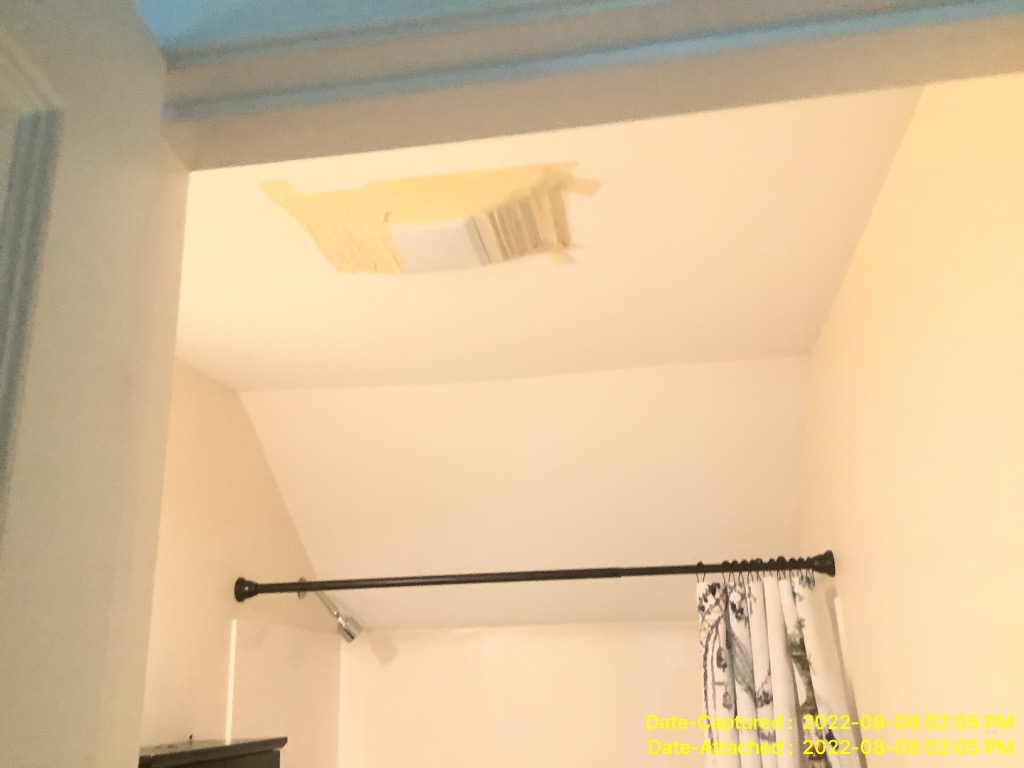
✅ Water stains on walls and ceilings
✅ Leaks around windows, doors, or the foundation
Local Insight: Low-lying areas like New Orleans and Gretna are especially vulnerable to flooding due to their proximity to water and below-sea-level elevation.
Flooding from the Mississippi River & Poor Drainage
As a city surrounded by water, New Orleans is highly susceptible to flooding, especially when drainage systems become overwhelmed. Localized street flooding is common in areas where older drainage systems struggle to keep up with heavy rainfall.
Signs to Look For:
✅ Water pooling around the foundation of a home or business
✅ Damp or wet basement walls
✅ Musty odors, which could indicate long-term moisture exposure
Local Insight: Metairie and Kenner often experience localized flooding due to aging drainage infrastructure that struggles to keep up with heavy rainfall.
Plumbing Leaks & Pipe Failures
Aging or corroded pipes, sudden pressure changes, or hidden leaks behind walls can cause significant water damage over time. If left undetected, even small leaks can lead to mold growth and structural damage.
Signs to Look For:
✅ Higher-than-usual water bills
✅ Water spots on ceilings or walls
✅ Soft or damp drywall
Local Insight: Older homes and buildings in New Orleans and Marrero may have outdated plumbing systems, making them more prone to leaks and failures.
HVAC & Air Conditioner Leaks
Because of Louisiana’s hot and humid climate, air conditioning systems run almost year-round. Condensation buildup, clogged drain lines, and improper maintenance can cause water damage inside homes and businesses.
Signs to Look For:
✅ Water pooling around HVAC units
✅ Musty odors near vents
✅ High indoor humidity levels
Local Insight: Many homes in Kenner and Metairie experience AC-related leaks, especially during peak summer months when systems run constantly.
Roof Leaks & Gutter Issues
With frequent storms and high humidity, roofing materials in New Orleans wear down quickly, making homes and businesses more susceptible to water intrusion. Clogged gutters and damaged shingles can allow water to seep into a structure.
Signs to Look For:
✅ Water stains on ceilings
✅ Peeling paint or sagging drywall
✅ Dripping sounds in the attic or behind walls
Local Insight: Many buildings in New Orleans and Gretna have flat or older roofs, making them more vulnerable to leaks after heavy rain.
Sewer Backups & Drain Overflow
Heavy rains can overload the sewer system, causing wastewater to back up into homes and businesses. This type of water damage is particularly hazardous because sewage contains harmful contaminants and bacteria.
Signs to Look For:
✅ Foul odors coming from drains
✅ Water backing up into sinks, tubs, or toilets
✅ Slow or gurgling drains
Local Insight: Low-lying neighborhoods in Marrero and Gretna often experience sewer system overflows after heavy storms, leading to hazardous water damage inside homes.
What to Do if You Find Water Damage
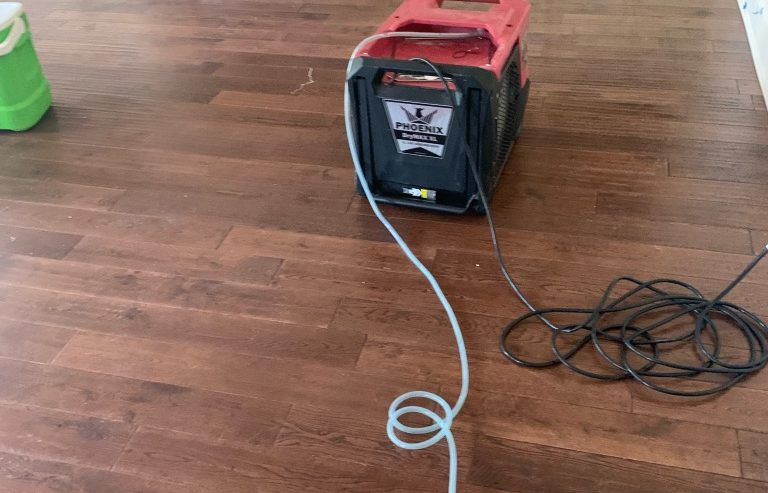
In humid climates like Greater New Orleans, mold can start growing within 24 to 48 hours after water damage occurs. Even if the affected area appears dry, moisture can linger behind walls, under flooring, or inside HVAC systems, creating the perfect environment for mold to spread. A professional mold inspection can detect hidden mold and identify areas where excess moisture is present. If mold is found, expert mold remediation is essential to safely remove contaminated materials, contain spores, and restore healthy indoor air quality. Ignoring the issue can lead to health risks and costly repairs, so addressing mold concerns as soon as possible is key to protecting your home or business.
If you notice signs of water damage, taking quick action can prevent further issues like mold growth and structural damage. Here’s what you should do immediately:
Immediate Steps to Take:
✔️ Shut off the water source if the damage is caused by a plumbing issue.
✔️ Avoid contact with standing water—it may contain contaminants or pose an electrical hazard.
✔️ Move valuable items out of the affected area to prevent further damage.
✔️ Document the damage with photos and videos for insurance claims.
✔️ Call a professional water damage restoration company to assess and start the drying process.
Who to Call for Help: Rytech Restoration of Greater New Orleans
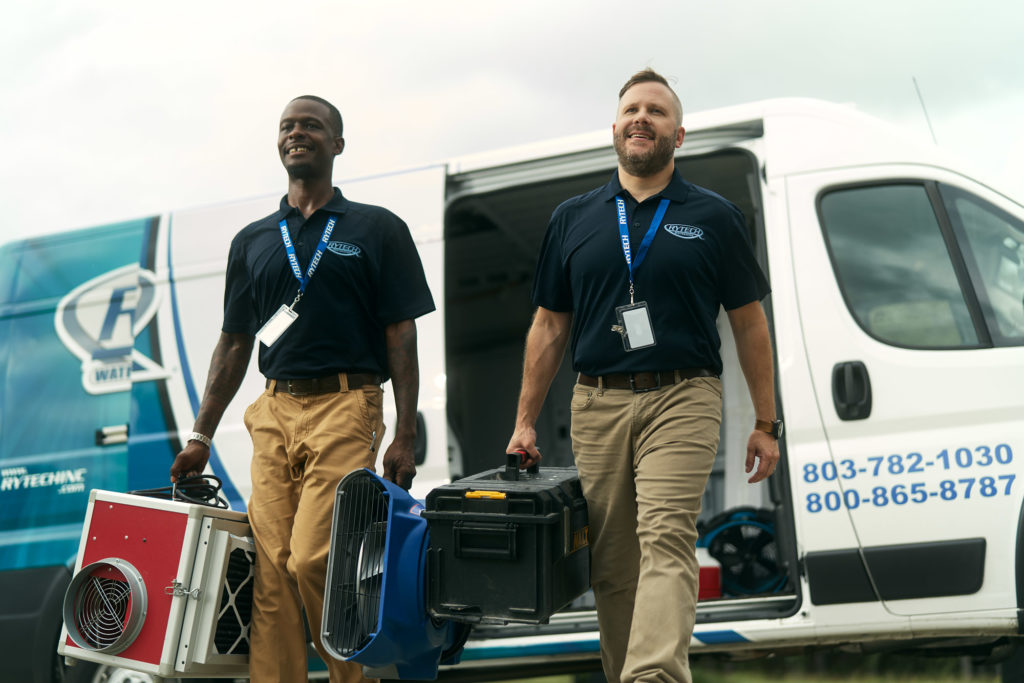
"As a local business owner and resident in New Orleans, I’ve seen firsthand how quickly water damage can escalate, especially with our heavy rains and older homes. Emergency water damage service is required the moment you notice water intrusion—whether it’s a burst pipe, roof leak, or flooding—because waiting even a few hours can lead to mold growth, structural issues, and higher repair costs. At Rytech Greater New Orleans, we’re ready 24/7 to respond quickly, protect your property, and help you get back to normal fast."
Holden LeBlanc, Owner, Rytech Restoration of Greater New Orleans
Dealing with water damage is stressful and time-sensitive, but you don’t have to handle it alone. A professional damage restoration team in New Orleans can quickly assess the damage, remove excess moisture, and restore your home or business.
Why Choose Rytech Restoration of Greater New Orleans?
✔️ 24/7 Emergency Response – We’re ready to help when you need us most.
✔️ Fast, Minimally Invasive Drying Techniques – We focus on saving materials rather than tearing them out.
✔️ Certified and Experienced Technicians – Our team is IICRC-certified and trained to handle any level of water damage.
✔️ Advanced Moisture Detection Equipment – We locate hidden water to ensure thorough drying.
✔️ Insurance-Friendly Service – We work directly with your insurance provider to simplify claims.
Contact Rytech Restoration Today
If you’re facing water damage in Greater New Orleans, don’t wait! The faster the response, the less damage your property will sustain.
💨 Fast response, expert service, and peace of mind—let’s restore your home or business today!
Frequently Asked Questions: Get Answers to Your Water Damage Concerns!
At Rytech Restoration of Greater New Orleans, we know how stressful unexpected disasters can be. To help you through this tough time, we've put together a comprehensive FAQ section. Here, you'll find detailed information about our services, the restoration process, and what to expect when you work with us.


