
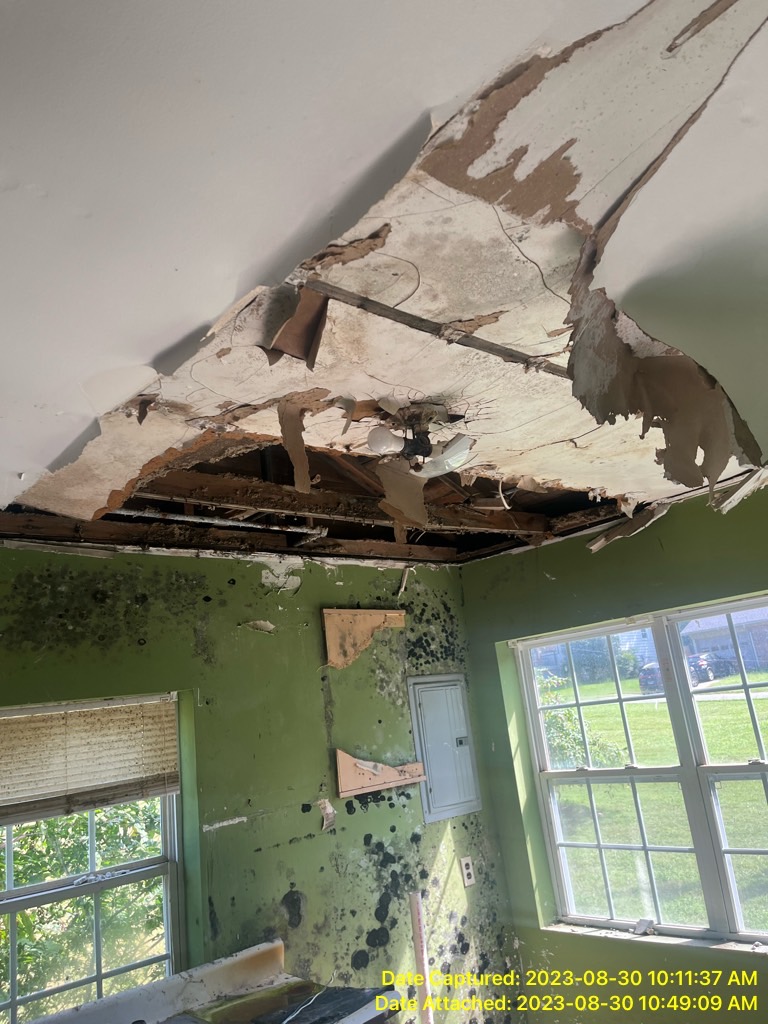
Imagine coming home after a long day, only to find a dark, ominous stain spreading across your living room ceiling. That sinking feeling in your stomach is familiar to many homeowners in Greater New Orleans, where our subtropical climate, frequent storms, and aging roofs make ceiling water damage a common issue. The sight of a water-damaged ceiling can be both frustrating and concerning, as it signals underlying problems that could lead to more extensive damage if left untreated.
At Rytech Restoration of Greater New Orleans, we understand the urgency of addressing water damage quickly and effectively. This article is designed to guide homeowners, commercial business owners, and property managers through the process of restoring and repairing a water-damaged ceiling. With years of experience in the area, our team is here to share our expertise and help you protect your property.
Understanding the Causes and Risks of Water-Damaged Ceilings
Common Causes of Ceiling Water Damage
Ceiling water damage often starts small but can quickly escalate if the underlying cause isn’t addressed. Common sources include:
- Roof Leaks: Often exacerbated by heavy rainfall or storm damage, particularly during hurricane season.
- HVAC Issues: Air conditioning units and ductwork can cause condensation, leading to water issues.
- Plumbing Leaks: Pipes running through your ceiling can develop leaks over time, causing water to seep into the structure.
- Storm Damage: New Orleans is no stranger to severe weather, and hurricanes or torrential downpours can cause significant ceiling damage.
The frequent heavy rainfall, high winds, and humidity in New Orleans create a perfect storm for water damage, making it crucial to address any signs of trouble promptly.
Potential Risks if Not Addressed
Ignoring water damage can often lead to:
- Structural Damage: Water weakens the ceiling's structure, potentially causing it to collapse.
- Mold Growth: Mold thrives in damp environments, posing serious health risks when ceiling tiles or overhead drywall get wet.
- Health Hazards: Beyond mold, prolonged exposure to damp conditions can lead to respiratory issues and other health concerns.
Timely intervention can prevent these risks and save you from costly repairs down the road.
Assessing the Extent of Ceiling Water Damage
Identifying Signs of Water Damage
Spotting water damage early is key to minimizing its impact. Look for:
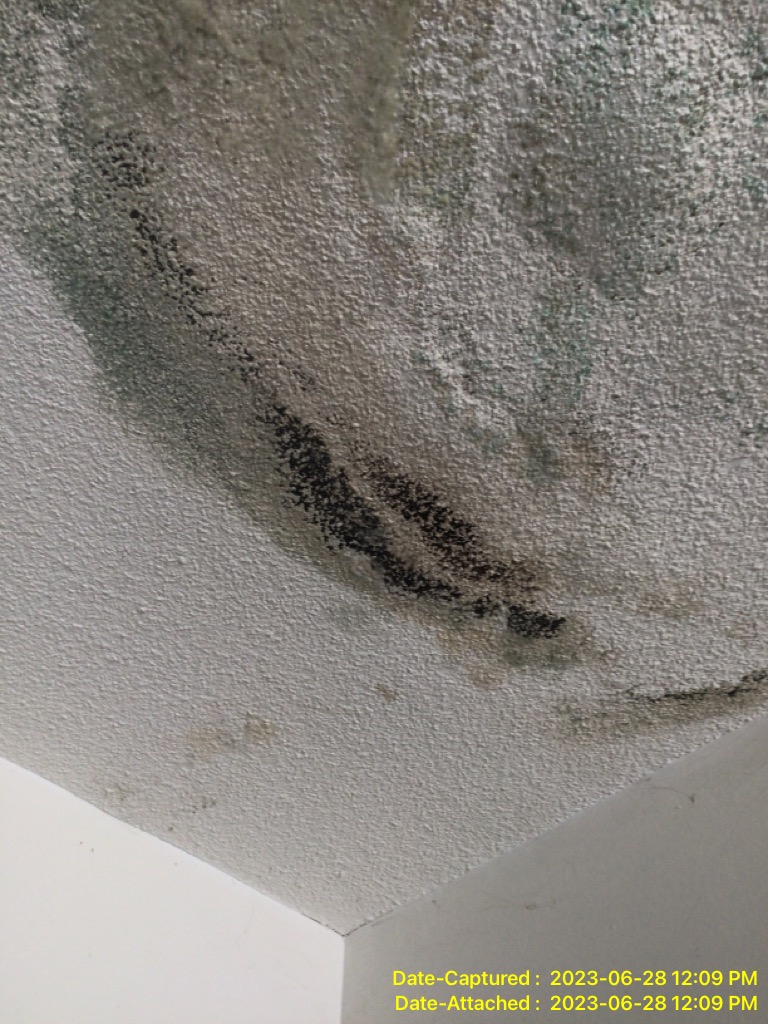
- Stains and Discoloration: Dark or yellowish stains often indicate a water leak.
- Sagging and Peeling Paint: A sagging ceiling is a sign of water accumulation, while peeling paint or plaster suggests moisture damage.
- Structural Weakness: Soft spots or visible sagging may indicate significant water damage that requires immediate attention.
When inspecting your ceiling, always prioritize safety. If you notice any signs of structural weakness or mold, it’s best to call a professional New Orleans water damage restoration company.
When to Call a Professional
Some situations require expert intervention by certified water damage specialists, such as:
- Extensive Damage: Large areas of water damage may compromise the structural integrity of your ceiling.
- Mold Presence: Harmful mold growth is a serious issue that needs professional remediation to remove.
- Health Issues: Recurring respiratory illness and coughing can signal underlying water damage issues.
- Safety Concerns: If you suspect electrical wiring or structural components are affected, stay out of the affected area and contact Rytech Restoration immediately.
Our New Orlean water damage specialists arrive equipped to provide thorough inspections and accurate assessments, ensuring your ceiling is restored safely and effectively.
Common Causes of Ceiling Water Damage & Pitfalls
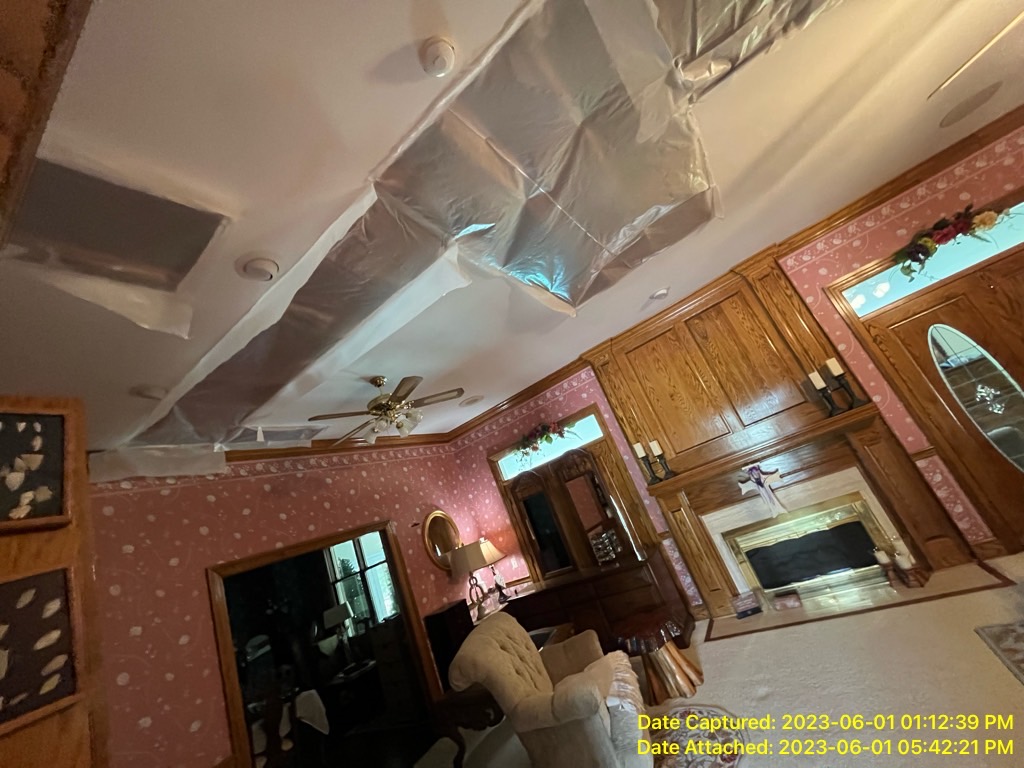
Water damage can originate from various sources, including:
- Overflowing Sinks, Toilets, Bathtubs, or Showers
- Appliances with Faulty Water Supply or Drain Lines
- Leaky Pipes
- Clogged Gutters: Overflowing gutters can drain into your home’s interior.
- Damaged, Raised, or Missing Shingles
Avoid common mistakes during repair, such as:
- Ignoring the Source of the Leak: Always address the cause before starting repairs.
- Rushing the Drying Process: Inadequate drying of water damage can lead to mold growth.
- Using Mismatched Materials: For a seamless finish, match repair materials to the existing ceiling.
Emergency Tips
If you discover water damage in your ceiling, take these immediate steps:
- Turn Off the Water Supply: If the damage is due to a plumbing issue, shut off the water to prevent further leakage.
- Move Furniture and Belongings: Protect your belongings by moving them away from the damaged area.
- Use Buckets to Catch Drips: If water is still dripping, place buckets underneath to catch it.
- Ventilate the Area: Open windows and doors to circulate the air within the affected area to help dry and prevent mold growth.
- Contact Rytech Restoration: Call us for a professional water damage assessment and 24 hour emergency assistance.
Step-by-Step Guide to Repairing a Water-Damaged Ceiling
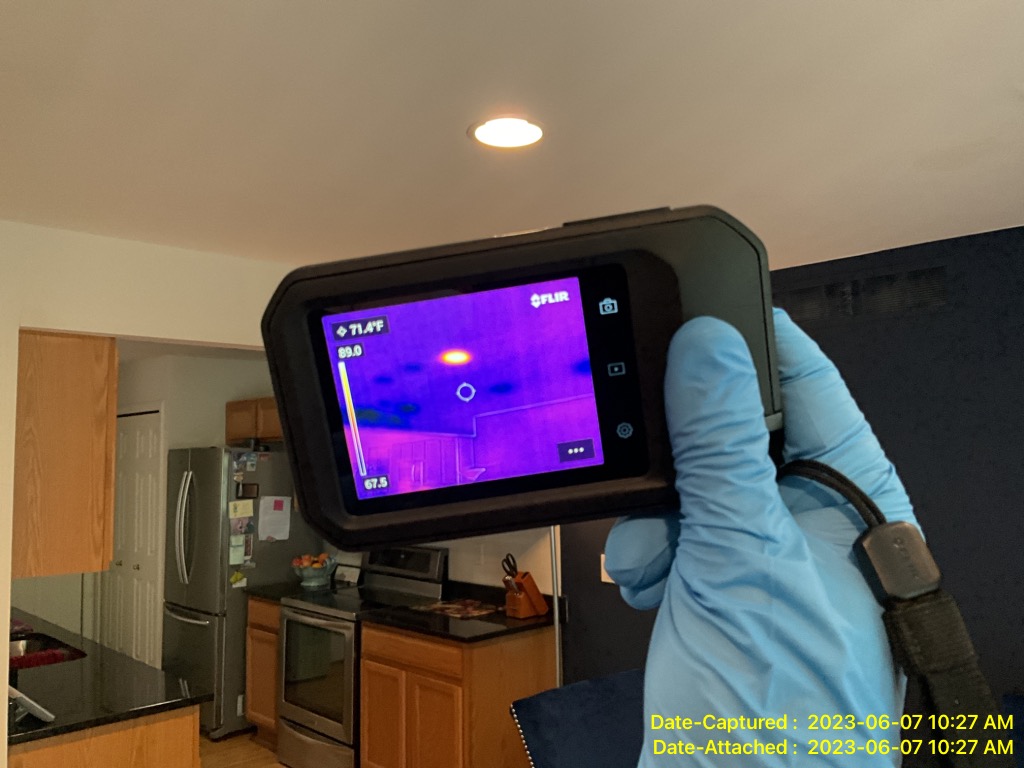
Repairing a water-damaged ceiling requires careful attention to detail. Here’s how to do it:
Step 1: Stop the Source of Water
Before beginning repairs, it’s crucial to identify and stop the water source. If you can’t locate it or the damage is extensive, contact a local water damage or plumbing professional. Temporary measures, like placing a tarp over a roof leak, can help minimize further damage until repairs can be made.
Step 2: Drying and Preparing the Area
Thoroughly dry the affected area using fans, air movers, and dehumidifiers. Proper ventilation is essential to prevent mold growth at your home or business.
Step 3: Removing Water Damaged Ceiling Materials
Carefully remove any damaged drywall, plaster, or ceiling insulation. If the materials are severely compromised, replacement may be necessary. Always wear EPA approved protective gear to avoid exposure to mold or harmful substances.
Step 4: Repairing and Replacing the Ceiling
Once the area is dry and damaged materials are removed, it’s time to repair the ceiling. Follow these steps:
- Patching: Apply a patch to cover holes or cracks.
- Sanding: Smooth the patched area to blend with the surrounding ceiling.
- Painting: Match the paint to the existing ceiling for a seamless finish.
Step 5: Mold Prevention and Final Inspection
Sanitize the area with microbial spray to prevent mold growth. Rytech adheres to IICRC standards during New Orleans mold remediation services and post-repair inspections, ensuring your ceiling is safe and sound.
Step 6: Paint the Ceiling
For the finishing touch, it’s time to prime and paint your ceiling. Repainting the entire ceiling can help it appear even and new. Remember to keep the area well-ventilated while painting.
Local Expertise And Insights
“At Rytech Restoration, our commitment to the Greater New Orleans community drives everything we do. Over the years, we’ve helped countless NOLA homeowners and businesses recover from ceiling water damage, helping to restore their properties to their former glory.
One recent case involved a historic home in the French Quarter that suffered severe ceiling damage after Hurricane Katrina. Our team was able to quickly identify the source of the leak, dry the area, and work with an experienced build back company to restore the ceiling, preserving the home’s historic charm. It’s moments like these where we see a customer's peace of mind restored that remind us why we’re passionate about what we do.”
Holden Leblanc, Owner of Rytech Restoration of Greater New Orleans
Local Challenges and Water Damage Risks in Greater New Orleans
Living in New Orleans means dealing with unique challenges when it comes to water damage. Our humid, subtropical climate, coupled with frequent rainstorms and hurricanes, makes ceiling damage a common issue. In some low-lying areas, rainfall amounts greater than 1-2 inches per hour can cause flooding of 6-10 inches, leading to significant water intrusion.
Events like Hurricane Barry in 2019 have shown us just how vulnerable our homes and businesses can be. That’s why timely restoration is so crucial—mold can begin to grow within 24-48 hours in these conditions, making swift action essential.
Taking the Next Steps – What Should Do To Restore Ceiling Water Damage

When to Contact a Professional
Consider reaching out to a professional water damage restoration service if:
- The damage is extensive and affects large areas of the ceiling.
- Mold is present or you suspect hidden water damage.
- There are safety concerns such as potential electrical issues.
DIY repairs can be risky and may not address the root cause of the damage. Rytech Restoration is here to help with emergency water extraction, ceiling damage restoration, mold prevention, and expert local assessments.
How Rytech Restoration Can Help
Our water damage restoration services include:
- 24 Hour Damage Assessment
- Emergency Water Extraction
- Rapid Dry Out
- Ceiling Damage Restoration
- Mold Prevention
- Disinfectant Cleaning
Don’t wait—contact Rytech Restoration of Greater New Orleans today for a free consultation or 24 hour emergency services. We have a proven track record and expertise to help you get your home or business back to normal as quickly as possible.
FAQs
Q: How long does it take for mold to grow on a water-damaged ceiling?
A: Mold can begin to grow within 24-48 hours in the right conditions, particularly in the humid climate of New Orleans.
Q: Can water-damaged ceilings be repaired without professional help?
A: Minor damage can sometimes be repaired by homeowners, but extensive damage or mold issues should always be handled by professionals.
Q: What are the signs of a hidden water leak?
A: Look for stains, discoloration, or a musty odor. These can indicate a hidden leak that requires further investigation.
Conclusion
Professional water damage restoration is crucial to protecting your property from further damage and ensuring the safety of your New Orleans home or business. If you’ve noticed any signs of water damage on your ceiling, don’t hesitate to take action.
At Rytech Restoration of Greater New Orleans, we’re here to provide expert advice and assistance. Contact us today to learn more about our services and how we can help you restore your ceiling to its original condition.


