
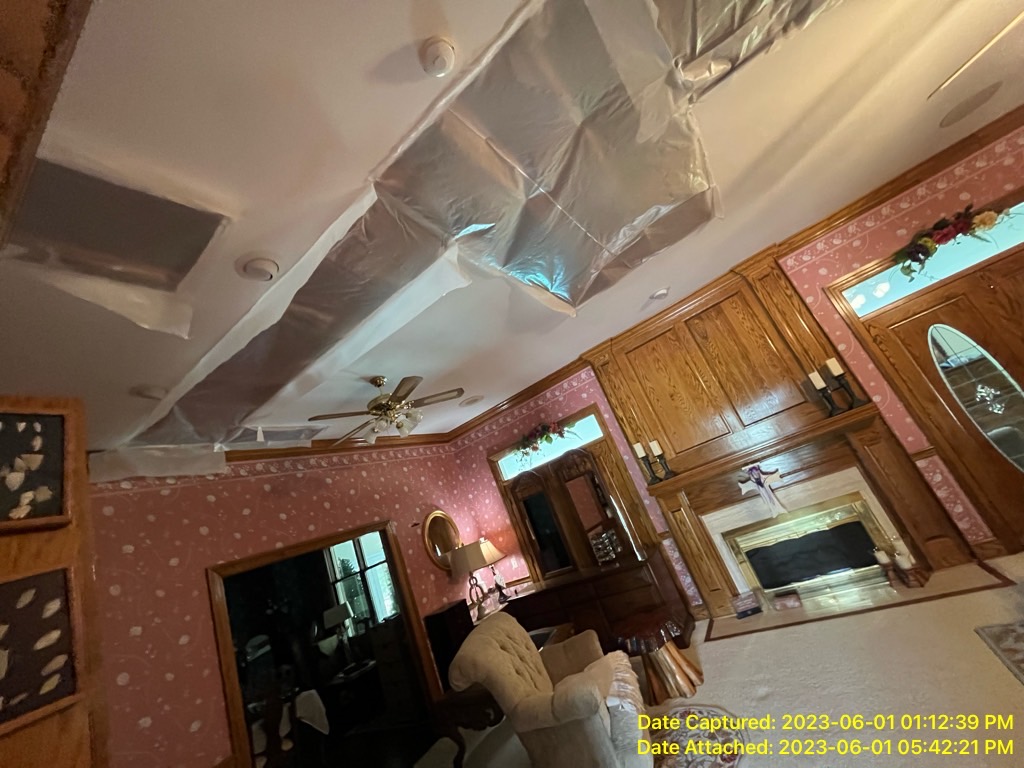
When water damage hits, every second counts.
If you live or work in the Greater New Orleans area, you know how quickly water can cause chaos. Between tropical storms, hurricanes, heavy rain, and everyday plumbing leaks, water damage in New Orleans is something almost every property owner here faces at some point.
When it happens, you might be tempted to grab towels, fans, or a shop vac and tackle the cleanup yourself. That’s a natural reaction — but is it the right one?
"As the owner of Rytech Restoration of Greater New Orleans, I’ve seen both sides. Homeowners and business owners who try DIY cleanup usually mean well, but what they can’t see — the hidden water behind walls, under flooring, or inside insulation — can cause serious problems later."
Holden LeBlanc, Owner, Rytech Restoration of New Orleans
Let’s explore the differences between DIY cleanup and professional water damage restoration, and help you make the best decision for your property, your health, and your peace of mind.
Understanding Water Damage: It’s What You Don’t See That Hurts You Most
When water enters your home or business, it doesn’t stay where you can see it. It spreads quickly — seeping into cracks, drywall, flooring, and structural materials.
According to the ANSI/IICRC S500 Standard for Professional Water Damage Restoration, every water loss is classified by category (contamination level) and class (extent of moisture spread).
Categories of Water Damage
- Category 1 – Clean Water: From a sanitary source, such as a broken supply line or appliance hose.
- Category 2 – Gray Water: Moderately contaminated, such as from washing machines or dishwashers.
- Category 3 – Black Water: Heavily contaminated water from flooding, sewage, or storm surges.
Here’s the problem: even clean water can become contaminated within 24–48 hours if not properly removed and dried — and in New Orleans’ hot, humid climate, that process happens even faster.
The DIY Route: What Homeowners and Property Managers Usually Try
When water damage strikes, most people react quickly — and that’s good. But speed isn’t the only factor; thoroughness is what really matters.
Common DIY Water Cleanup Methods
- Using towels, mops, or shop vacs to remove water.
- Running box fans or dehumidifiers.
- Cleaning with bleach or disinfectants.
- Opening windows and turning up the A/C to “air things out.”
These steps might remove surface moisture, but they rarely eliminate hidden water or prevent long-term problems.
The Hidden Risks of DIY Cleanup
- Moisture You Can’t See: Water travels beneath flooring, into drywall, and behind cabinets.
- Mold Growth: Mold can begin forming within 24 hours in New Orleans’ humid air.
- Contaminated Water: Floodwater, roof leaks, and plumbing failures can contain bacteria or sewage.
- Structural Damage: Trapped moisture causes drywall to swell, wood to warp, and flooring to buckle.
- Insurance Challenges: DIY cleanup doesn’t include professional documentation required by most insurance carriers.
Professional Water Damage Restoration: Why Rytech Is the Safer, Smarter Choice
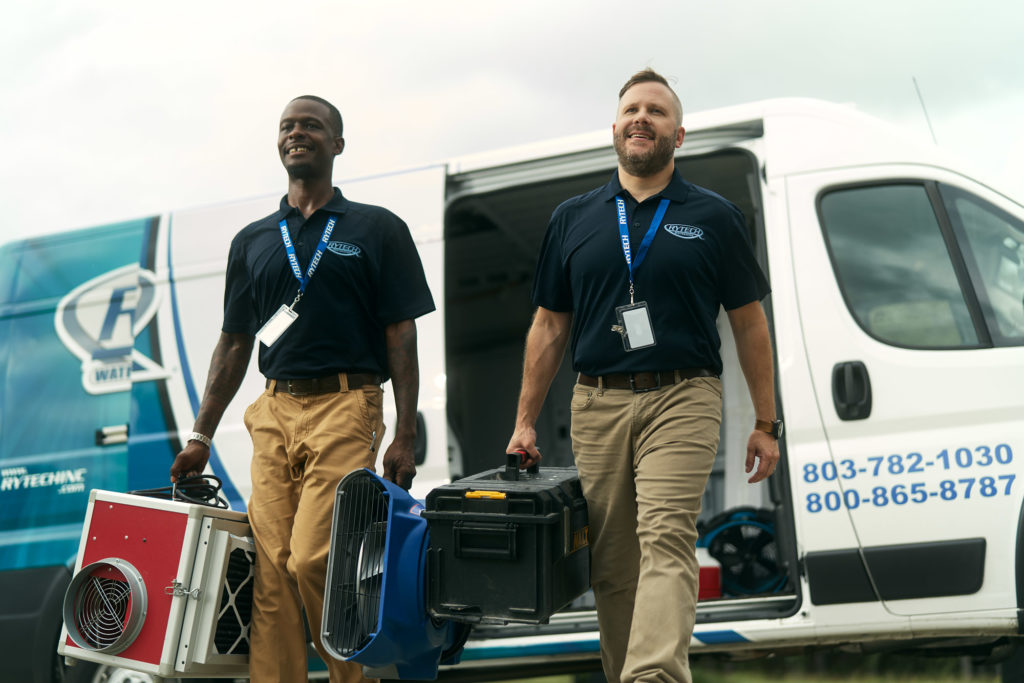
At Rytech Restoration of Greater New Orleans, we follow the IICRC S500 Standard of Care for every job. That means we don’t guess — we use science, precision, and advanced technology to make sure your property is dry, safe, and fully documented for your insurance company.
24/7 Emergency Response
Our local team is available around the clock and can be on-site in four hours or less — because in water damage, every hour counts.
Advanced Moisture Detection
We use thermal imaging cameras, hygrometers, and moisture meters to locate water you can’t see — even behind walls or under flooring.
Controlled Drying Process
Using industrial-grade dehumidifiers and high-velocity air movers, we control airflow, humidity, and temperature through a process called psychrometry. This ensures complete drying — not just surface-level evaporation.
Cleaning and Sanitization
We apply EPA-registered antimicrobial treatments to help reduce microbial growth and restore a healthy environment for your family or business.
Documentation for Insurance
We provide daily moisture readings, photos, and drying reports that your insurance adjuster can review — ensuring your claim moves faster and easier.
Final Verification
Before we finish, we verify that every material is returned to its proper moisture level and provide you with documentation for your records.
DIY vs. Professional: What’s the Real Cost?
| Factor | DIY Cleanup | Professional Restoration (Rytech) |
|---|---|---|
| Upfront Cost | Low | Moderate |
| Hidden Damage Risk | High | Low |
| Drying Accuracy | None | Scientifically measured |
| Mold Prevention | Not guaranteed | Controlled and monitored |
| Insurance Compliance | None | Fully documented |
| Peace of Mind | Temporary | Complete |
DIY might look cheaper upfront, but it often costs more in the long run — especially when mold remediation or structural repairs become necessary later.
When DIY Might Be Okay — and When It’s Not
DIY Cleanup May Work If:
- The spill is small and on a hard, nonporous surface (like tile).
- You clean and dry it completely within 24 hours.
- There’s no contamination or hidden moisture.
Call Rytech If:
- The water came from a roof leak, plumbing issue, or storm flooding.
- Water affected drywall, carpet, cabinets, or baseboards.
- You notice musty odors, discoloration, or soft spots.
- It’s been more than 12 hours since the water intrusion.
- You’re managing a commercial or rental property.
The Rytech Water Damage Restoration Process
- Emergency Response (Within 4 Hours) – We arrive fast and ready to help.
- Inspection & Moisture Mapping – Identify the source and full scope of the damage.
- Water Extraction – Remove standing and trapped water quickly.
- Drying & Dehumidification – Scientifically control humidity and airflow.
- Cleaning & Sanitization – Safely disinfect and deodorize the affected areas.
- Monitoring & Documentation – Daily checks ensure full progress transparency.
- Final Verification – Confirm complete dryness to IICRC standards.
Why New Orleans Properties Require Professional Help
New Orleans is one of the most challenging environments in the country for drying. Between high humidity, frequent rain, tropical storms, and older construction, DIY drying is almost impossible to do completely.
- Humidity: High moisture in the air slows evaporation and fuels mold growth.
- Older Homes: Many New Orleans homes have plaster, brick, or layered floors that trap water.
- Storm Flooding: Category 3 “black water” requires professional handling and disinfection.
- Commercial Concerns: Businesses can’t afford downtime — professional drying minimizes disruption.
Take the Next Step: Don’t Wait — Protect Your Property Today
If you’ve experienced water damage in New Orleans, Metairie, Kenner, Slidell, Mandeville, or Covington, the sooner you act, the more you save.
Rytech Restoration of Greater New Orleans offers 24/7 emergency response and IICRC-certified expertise to restore your home or business quickly and safely.
FAQs: Answering Your Pressing Water Damage Restoration Questions
When dealing with water damage, you may have many concerns and questions. As your expert water damage restoration service provider in New Orleans, LA, we are here to offer clear and comprehensive answers to guide you through this difficult period.


